AC repair and diagnostics
For systems that do not start, blow warm air, trip controls, make new sounds, or stop before the home becomes comfortable.
Discuss AC repair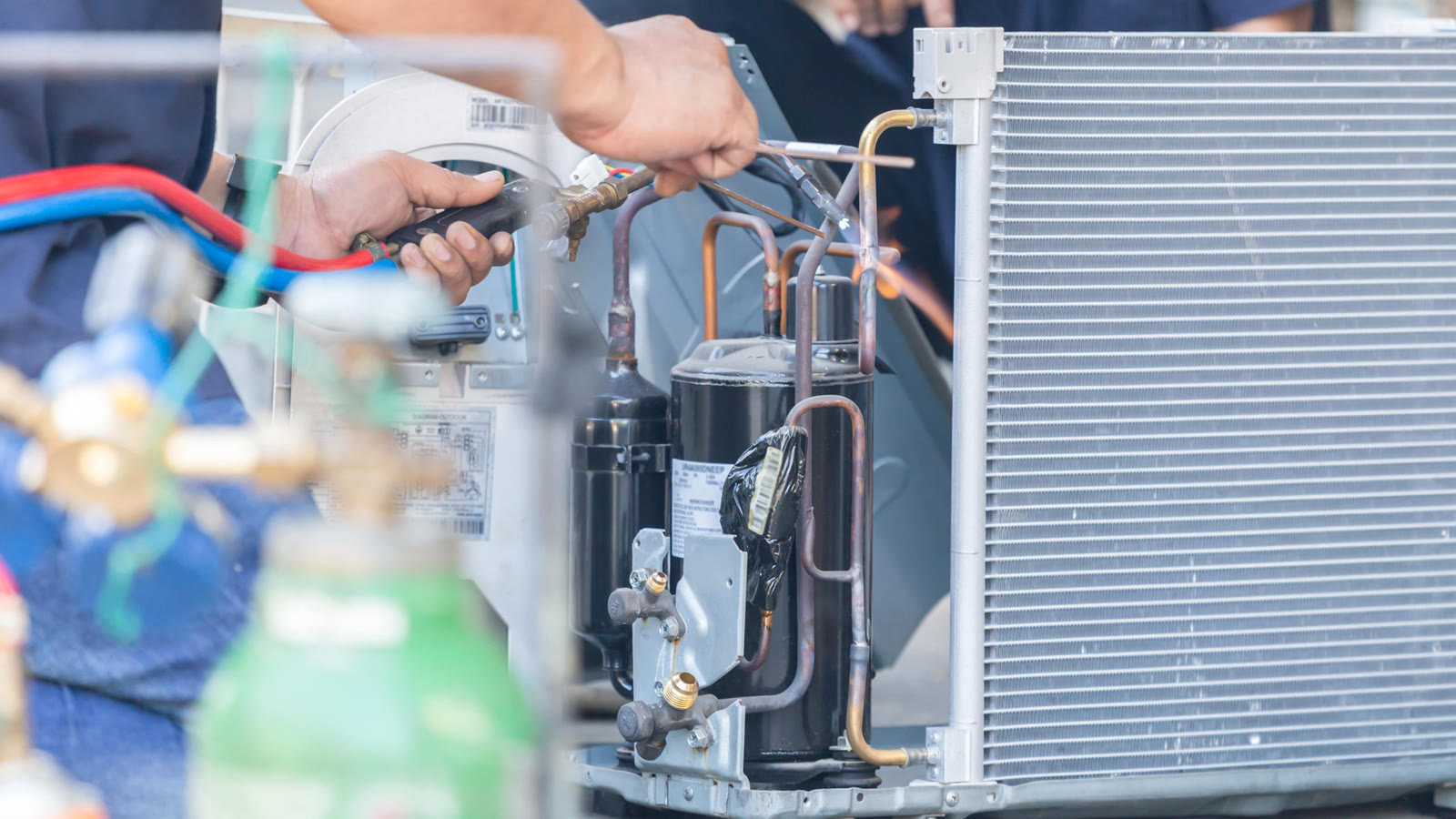
DESERT COOLING, ORGANIZED
Surprise AC Repair Pros helps homeowners make sense of weak airflow, warm rooms, unusual cycling, thermostat problems, and aging equipment. One call starts a structured path from symptom to solution.
A MORE ORGANIZED SERVICE EXPERIENCE
Cooling problems rarely belong to one component in isolation. The thermostat, filter, blower, indoor coil, duct system, outdoor equipment, electrical controls, and the home itself can all shape the same symptom. Our service structure keeps those relationships visible.
OPERATING PROTOCOL
Tell us what changed, which rooms are affected, when it started, and what the system is doing now.
Equipment behavior, airflow, controls, visible condition, and recent service history help frame the problem.
The condition found determines whether focused repair, additional evaluation, or replacement planning makes sense.
System response is checked and the homeowner receives a clear summary of what to watch going forward.
SERVICE CAPABILITIES
You do not need to identify the right department before calling. Start with the symptom and the service desk can organize the request.
For systems that do not start, blow warm air, trip controls, make new sounds, or stop before the home becomes comfortable.
Discuss AC repairWeak vents, hot rooms, excessive indoor humidity, long run times, and uneven temperatures can involve more than the outdoor unit.
Discuss airflowIncorrect readings, blank displays, delayed response, connection issues, and control behavior that no longer matches the setting.
Discuss controlsFilter condition, coil cleanliness, drainage, wiring condition, operating behavior, and visible wear can be reviewed before peak demand.
Discuss maintenanceDisconnected, restricted, damaged, or poorly balanced air paths can make capable equipment feel ineffective inside the home.
Discuss air deliveryAge, repair history, comfort, system condition, household needs, and installation details all matter when comparing replacement options.
Discuss replacementSYSTEM STATUS BOARD
A symptom is a starting point, not a diagnosis. Use this board to collect useful observations before you call.
Talk through the symptomNote the thermostat display, whether the indoor fan runs, and whether the outdoor unit responds.
Compare rooms, listen for the blower, and notice whether airflow changed suddenly or gradually.
Note how long it runs, whether the thermostat reaches its setting, and if a particular time of day triggers it.
Keep clear of electrical hazards, limit operation if needed, and describe where the moisture is collecting.
Check whether vents are open and unobstructed, then compare airflow with nearby rooms.
Describe when it occurs and stop the system if you notice burning, smoke, or another immediate safety concern.
ENGINEERED AROUND SURPRISE
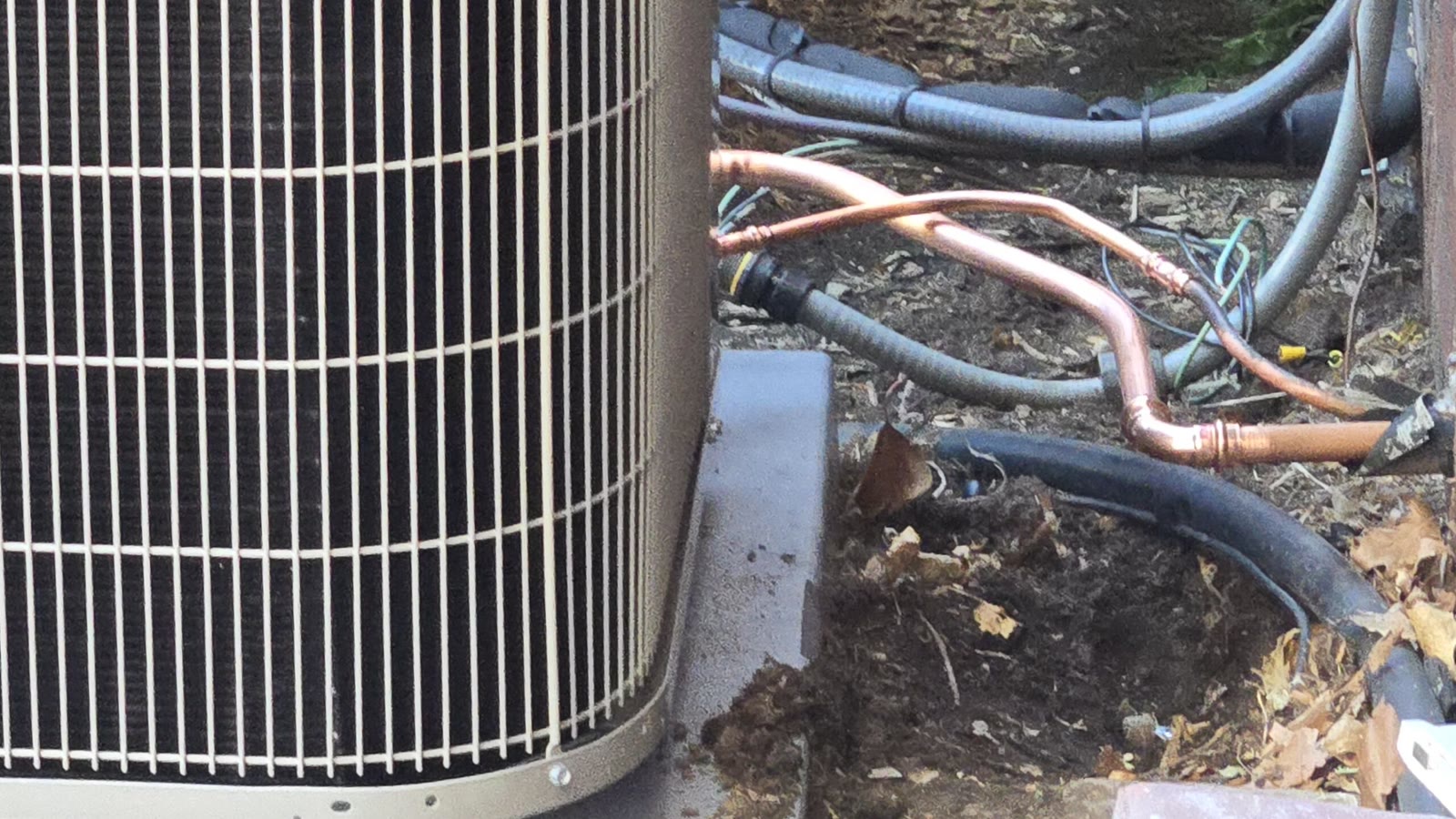
In Surprise, cooling is not a short seasonal convenience. Systems face extended run time, airborne dust, intense sun exposure, monsoon debris, and large differences between outdoor and indoor temperatures.
Long, hot afternoons can reveal capacity, airflow, insulation, and equipment-condition issues that are less visible in mild weather.
Loaded filters and dirty coils can restrict air movement and make heat transfer more difficult.
Wind, debris, and sudden moisture can affect outdoor equipment and condensate drainage.
Window orientation, attic conditions, duct location, and room use all influence comfort from one area to another.
REPAIR / MAINTAIN / REPLACE
No single age or symptom answers every equipment question. The useful decision is the one grounded in the condition of the system and the needs of the home.
A repair may fit when the cause is isolated, the system remains serviceable, and surrounding components are in workable condition.
Maintenance may fit when the equipment operates but airflow, cleanliness, drainage, or wear deserves attention before heavier demand.
Replacement may deserve review when failures repeat, comfort remains poor, major components deteriorate, or age reduces the value of another repair.
HOME COOLING OPERATIONS
Check it regularly and record the size. A visibly loaded filter can restrict airflow, but changing it does not resolve every cooling symptom.
Do not stack belongings against indoor equipment or crowd the outdoor unit with debris and stored items.
Note which spaces lag behind, at what time, and whether doors, vents, or occupancy patterns affect the change.
Unexpected moisture near indoor equipment deserves attention, especially when it appears with reduced cooling or system shutdown.
Frequent resets can hide a developing problem. Write down sounds, timing, thermostat messages, and previous repair history.
SURPRISE AC REPAIR FAQ
These are general guidelines. Actual causes depend on the equipment, installation, home, and condition found.
Service covers systems that will not start, weak airflow, warm air, uneven temperatures, thermostat concerns, unusual sounds, short cycling, maintenance needs, and replacement evaluation.
Possible causes include restricted airflow, a dirty coil, control problems, duct losses, equipment wear, or other system conditions. The full system should be evaluated before the cause is assumed.
Short cycling describes a system that starts and stops more frequently than expected. It can affect comfort and may indicate a control, airflow, sizing, or equipment condition.
Dust can load filters and outdoor coils, restrict airflow, and make it harder for the system to release heat. Filter and equipment condition matter during long cooling seasons.
Replacement may deserve consideration when failures repeat, major components are deteriorating, comfort remains poor, or equipment age changes the value of another repair.
Confirm the thermostat mode and setting, note whether the indoor fan and outdoor unit operate, and check the filter if it is safely accessible. Do not open electrical panels or bypass safety controls.